Our office will be closed on December 24 and December 25 for Christmas, and on December 31 and January 1 for New Year.

How Long Do Porcelain Veneers Last and How Can You Extend Their Life?
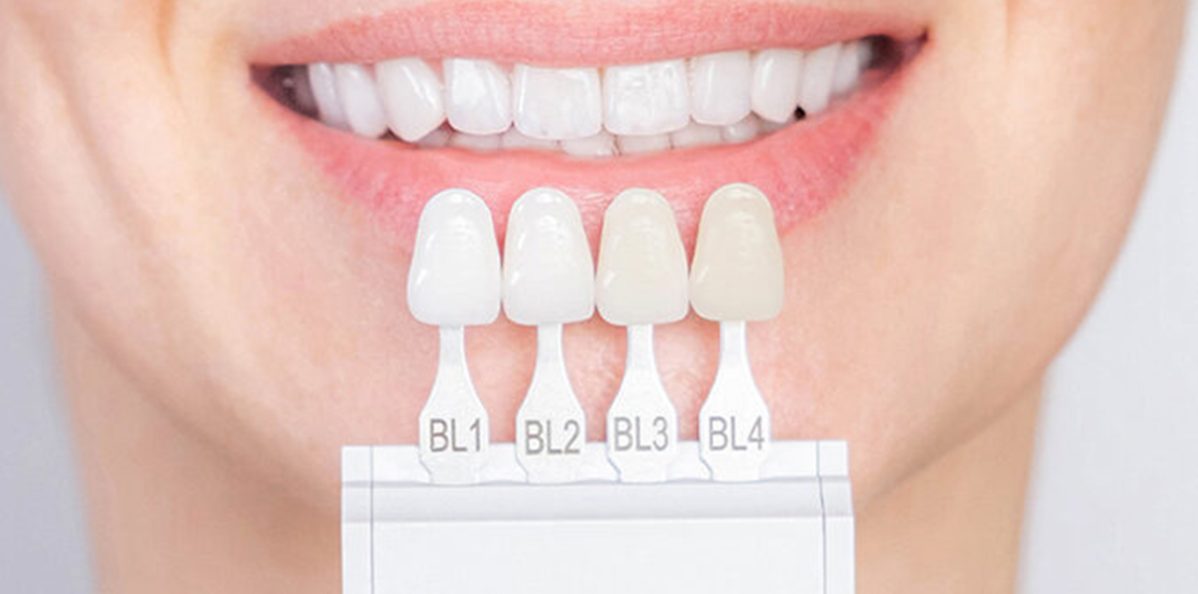
Porcelain veneers can completely refresh your smile by covering stains, chips, or uneven shapes with thin layers of strong, natural-looking porcelain. Most veneers last many years with proper care, but their lifespan depends on daily habits and professional maintenance. Here’s how long they generally last, and what you can do to help them stay bright, strong, and comfortable.
Understanding the Lifespan of Porcelain Veneers
Most porcelain veneers last about 10–15 years, and many hold up longer when cared for consistently. The porcelain itself is stain-resistant and built to mimic enamel’s light reflection. While the shell doesn’t decay, the tooth underneath still can, so keeping your mouth healthy protects both.
How long veneers last also depends on whether they were placed on the right teeth to begin with. Veneers work best for teeth with plenty of enamel and a stable bite. If a tooth is cracked or heavily restored, a crown may offer better support. During your planning visit, your dentist balances appearance with strength to choose the approach that will last the longest.
What Influences Veneer Longevity
Several everyday and clinical factors affect how long porcelain veneers in Dallas, TX, stay looking their best:
- Bonding technique: A secure, even bond between enamel and porcelain prevents early lifting.
- Bite alignment: Uneven pressure or a tight bite can stress the edges.
- Grinding or clenching: Even mild grinding adds small cracks over time.
- Diet and chewing habits: Biting hard objects, ice, or fingernails risks chips.
- Gum health: Healthy gums keep the veneer margins sealed and strong.
- Material and lab quality: Precise shaping and firing reduce the chance of flaws.
An experienced dentist in Dallas, TX, will spot these risks before treatment and design your veneers to handle your unique bite forces comfortably.
Daily Care That Makes Veneers Last Longer
Simple routines make a big difference. These small steps protect veneers from wear and preserve their polished finish:
- Use a soft toothbrush and mild, low-abrasive toothpaste to brush twice a day.
- Floss daily to remove plaque where the veneer meets your gum.
- Rinse after acidic drinks like soda or citrus juices to neutralize acid.
- Cut hard foods, such as apples or crusty bread, into smaller bites.
- Use a straw for coffee or tea when possible, and follow with a quick water rinse.
- Those who grind or clench while they sleep should wear a nightguard.
- Schedule cleanings every six months so your hygienist can check margins and polish safely.
- Ask for a bite check at each visit; small adjustments help prevent future chipping.
These consistent habits keep veneers smooth and prevent plaque or inflammation from weakening the bond beneath.
Recognizing When Veneers Need Attention
Even the best veneers eventually show small signs of wear. Noticing early changes helps you avoid more complex repairs later:
- Tiny edge chips: Often polished smooth or repaired with tooth-colored resin.
- Dull surface: A professional re-glaze can restore shine.
- Darkened margins: May mean light stain buildup or a minor gap, both easy to fix.
- Sensitivity or roughness: Sometimes caused by gum changes or slight shifting.
- Color mismatch: Over the years, natural teeth can lighten or darken while veneers stay the same shade.
If replacement becomes necessary, today’s digital imaging and custom shade matching make the process smooth and precise. Most replacements require little to no extra enamel removal.
How Your Dentist Helps Veneers Last Longer
Choosing the right dentist is one of the most reliable ways to extend veneer life. A skilled provider will:
- Take high-resolution scans or impressions for an exact fit.
- Create veneers that complement your biting pattern and face traits.
- Keep enamel removal minimal to maintain strong bonding.
- Provide mock-ups so you can preview the final look.
- Recommend custom nightguards for long-term protection.
Good communication and follow-up visits are just as important as the procedure itself. Ask to see similar before-and-after cases, discuss expected lifespan for your smile, and make a plan for maintenance habits like grinding management or touch-up whitening around veneers.
Everyday Habits That Shorten Veneer Life
Knowing what to avoid is just as useful as knowing what to do:
- Biting hard objects: Ice cubes, pen caps, and nutshells are all veneer hazards.
- Skipping dental visits: Missed cleanings can let small cracks or decay go unnoticed.
- Ignoring sensitivity: It’s often a sign of gum recession or clenching pressure.
- Using abrasive toothpaste: Whitening pastes with grit can dull porcelain polish.
- Smoking: Tobacco can stain natural enamel and affect the gum tissue around veneers.
Avoiding these behaviors helps you get the most from your investment and keeps your smile bright and even.
Final Thoughts
Porcelain veneers are built for long-term beauty and strength, but their lifespan depends on the choices you make each day. With careful brushing, mindful eating, and regular professional care, veneers can stay comfortable and natural for well over a decade. To learn how to protect your new smile or explore treatment options, schedule a visit with Lakewood Family Dental Care, where your comfort and confidence come first.